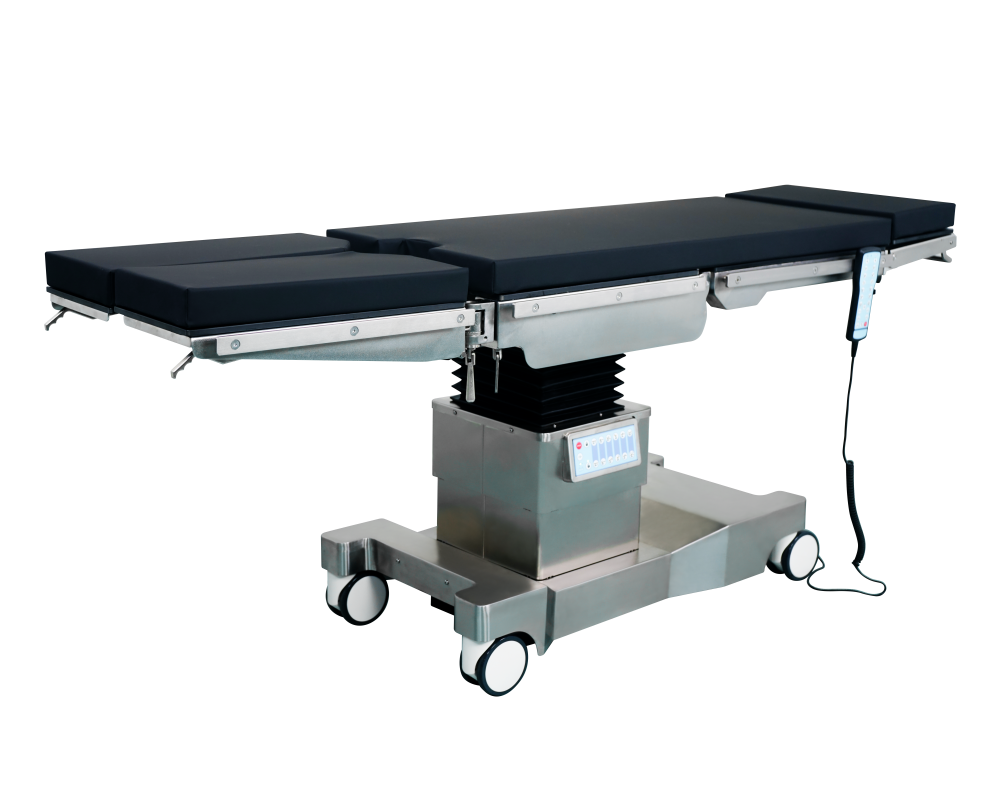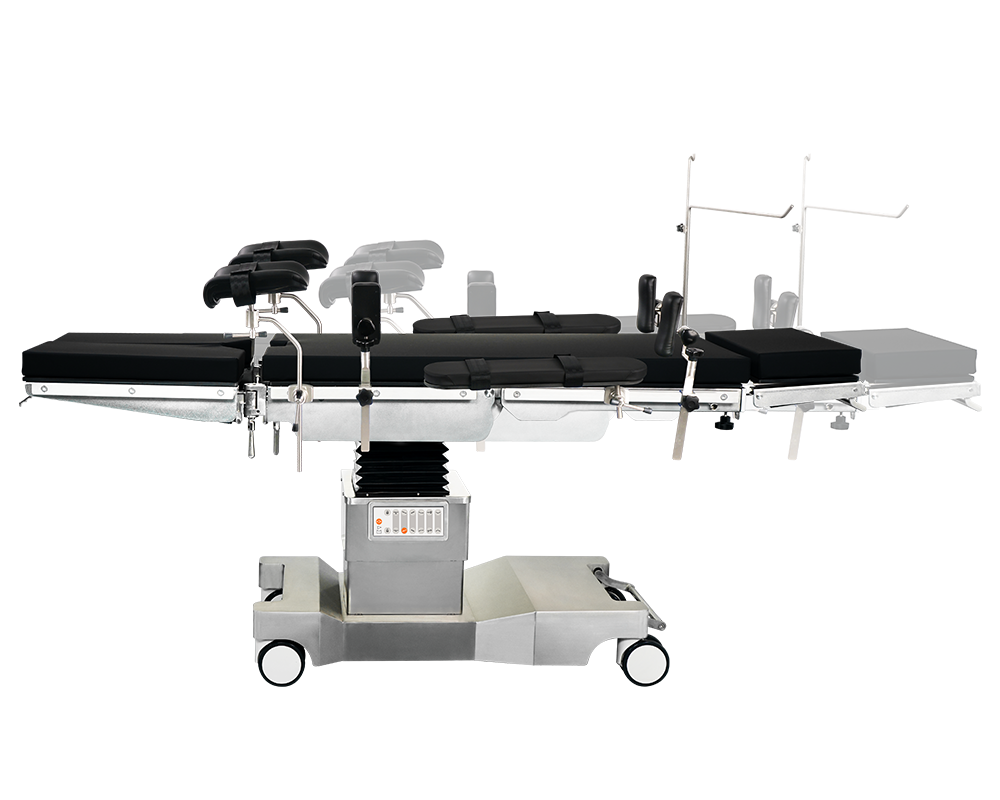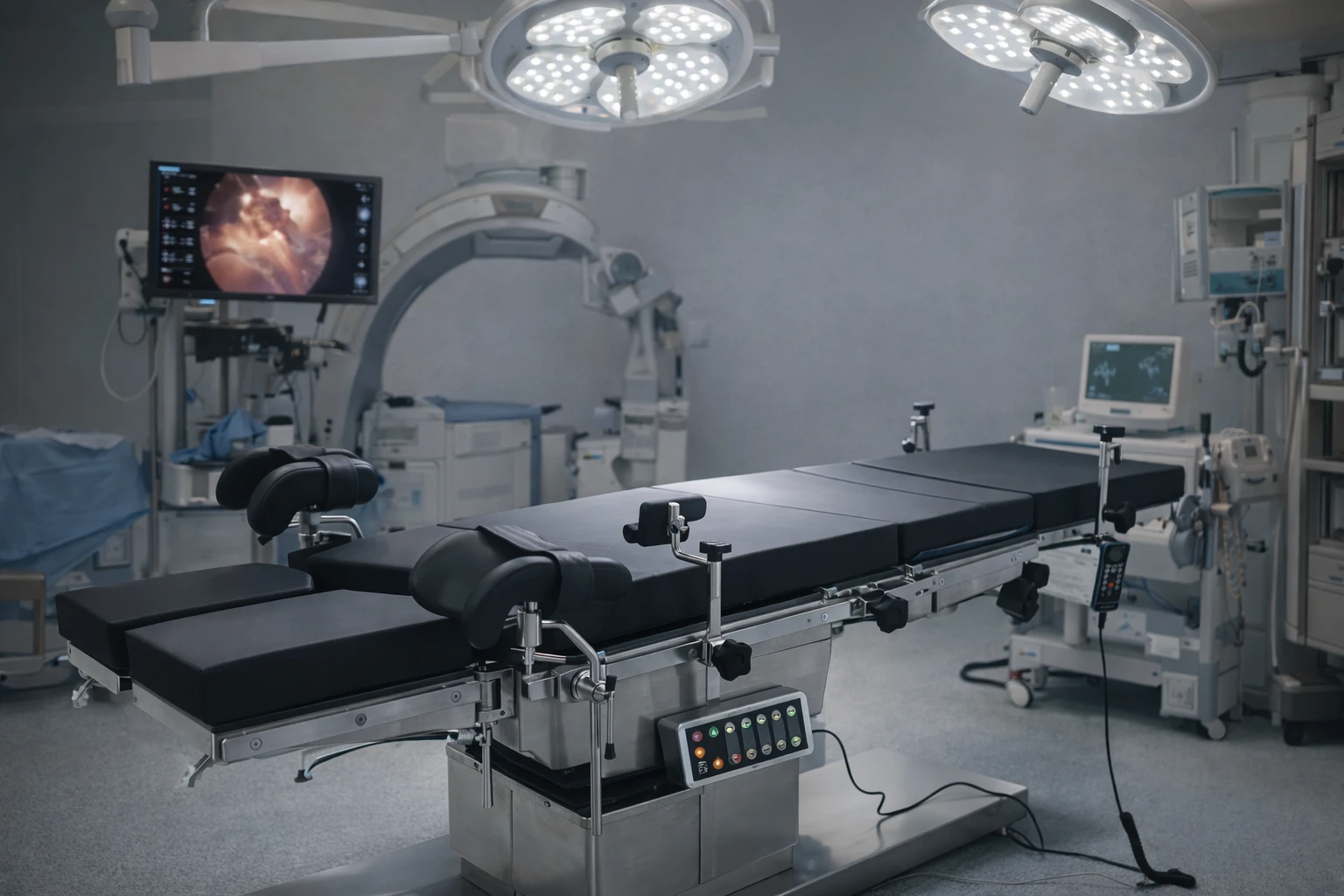

In 2026, hospitals and distributors across the Middle East and Southeast Asia are evaluating operating tables with a more practical lens: patient load capacity, daily positioning efficiency, and long-term reliability—not just a long feature list. This guide turns real tender and RFQ needs into a clear buying framework, with a copy-ready specification section at the end.
If you want to compare options by department and clinical use case, start by exploring our full range of operating tables for different clinical applications. For higher-intent buyers, you can also browse electric operating table solutions for general surgery workflows or electric-hydraulic operating tables designed for demanding positioning stability.
What buyers in the Middle East & Southeast Asia care about most in 2026
- “One table, many departments” reality: mixed-case OR schedules push buyers to prioritize positioning coverage and fast workflow more than niche features.
- Higher patient diversity: procurement teams increasingly ask about realistic load capacity and stability at extreme positions.
- Turnover pressure: private hospitals and day-surgery models value easy mobility, safe braking, and quick positioning.
- Imaging-oriented procedures are growing: even if you’re not building a Hybrid OR, more sites want a pathway toward imaging-friendly workflows. If that’s your direction, review interventional operating tables for C-arm and imaging-oriented procedures as a benchmark.
How to choose an operating table: 6 tender-critical specs (with real-world meaning)
1) Load capacity & stability
A common question from procurement teams is: “What is a good load capacity for an operating table?” For multi-department ORs serving diverse patient profiles, a higher practical baseline reduces future constraints. This configuration provides 300kg max load capacity, which supports broader patient coverage and department sharing.
2) Height range (ergonomics + anesthesia workflow)
Height range impacts anesthesia access, surgeon comfort, and staff fatigue during high caseloads. This table supports a 670mm minimum height (without mattress) and 300±20mm electric elevation.
3) Daily-use positioning angles (the ones teams actually use)
Many tenders overemphasize rarely used movements. In practice, the most frequently used functions are: Trendelenburg/reverse, lateral tilt, and back plate adjustments. This configuration includes Trendelenburg/Reverse 25°±2°, Lateral Tilt 22°±2° (left/right), and an electric back plate up 80°±2° / down 30°±2°.
4) Longitudinal shift (workflow efficiency)
A strong longitudinal shift can reduce repeated patient re-handling and improve surgeon/anesthesia space management— especially in busy ORs running mixed procedure types. This table offers a 350±20mm electric longitudinal shift.
5) Mobility & braking (turnover + safety)
High turnover environments benefit from safer, quicker fixation and consistent movement performance. This unit uses an electric brake system and 4 universal casters (≥100mm).
6) Noise & power compatibility (site readiness)
Quiet motion improves the OR environment and perceived quality during positioning. This configuration targets <60dB noise level and supports AC 220V, 50Hz, 750VA.
Electric vs Electric-Hydraulic vs Manual: which type fits your tender?
Electric operating tables: balanced performance for mixed departments
Electric tables are a strong fit when you need dependable positioning with controlled costs and straightforward operation. You can view electric operating tables suitable for general surgery and multi-use ORs for common configurations.
Electric-hydraulic operating tables: higher intensity use and stability expectations
Electric-hydraulic designs are often selected for more intensive use, higher stability expectations at extreme positions, and broader coverage across departments. Compare electric-hydraulic operating table options for advanced positioning requirements.
Manual operating tables: budget-driven facilities or backup capacity
Manual tables remain relevant for smaller sites, limited budgets, or as backup capacity. Browse manual operating table models for cost-sensitive projects.
If your project is OB-GYN focused, a dedicated configuration may improve workflow convenience. Consider gynecological operating tables designed for OB-GYN positioning workflows.
Department fit: translating specifications into clinical workflow
General Surgery / Urology
- Prioritize: back plate range, Trendelenburg/reverse, lateral tilt, longitudinal shift.
- Why: quicker positioning and less patient re-handling during busy schedules.
OB-GYN
- Prioritize: leg plate movement and outward rotation for frequent positioning changes.
- Spec reference: leg plate up 20°, down 90°, outward 90° (manual).
Mixed-department ORs
- Prioritize: 300kg load capacity, electric braking, stable extreme positioning angles.
- Why: one table must serve different surgeons, patient types, and procedure mixes.
How to write operating table tender specifications: copy-ready checklist
If you’re preparing an RFQ, a frequent question is: “How to write operating table tender specifications that vendors can’t misinterpret?” The easiest approach is to list measurable movements and tolerances (angles and ranges), then define mobility, power, and noise requirements. Below is a tender-ready specification block you can copy/paste.
- Table Size: 2070mm (L) × 550mm (W) (excluding side rails)
- Minimum Height: 670mm (without mattress)
- Elevation Range: 300 ±20mm (electric)
- Head Plate: Up 40° ±2°, Down 90° ±2° (manual, two types optional)
- Back Plate: Up 80° ±2°, Down 30° ±2° (electric)
- Leg Plate: Up 20°, Down 90°, Outward 90° (manual)
- Trendelenburg / Reverse: 25° ±2° each (electric)
- Lateral Tilt: Left 22° ±2°, Right 22° ±2° (electric)
- Longitudinal Shift: 350 ±20mm (electric)
- Max Load Capacity: 300kg
- Power Supply: AC 220V, 50Hz, 750VA
- Noise Level: <60dB
- Brake System: Electric brake
- Casters: 4 universal wheels (diameter ≥100mm)
For landing pages or distributor catalogs, you can route users to the most relevant category based on intent: browse all operating table categories, view electric operating tables for multi-use ORs, compare electric-hydraulic operating tables for demanding cases, or explore interventional tables for imaging-oriented procedures.
FAQ
What is a good load capacity for an operating table?
For multi-department ORs serving diverse patient profiles, higher practical capacity reduces constraints over the next 3–5 years. This configuration offers 300kg max load capacity, which is commonly requested in tenders where stability and broader patient coverage matter.
How to write operating table tender specifications?
Use measurable parameters: minimum height, elevation range, Trendelenburg/reverse, lateral tilt, longitudinal shift, plus braking type, caster size, noise limit, and power requirements. Copy the checklist above to keep the RFQ unambiguous.
Which page should I use for ads or RFQs?
For broad searches, send buyers to the operating table category hub with all clinical application options. For high-intent buyers, route directly to electric operating tables, electric-hydraulic operating tables, or interventional operating tables depending on their procedure focus.
Next step
If you tell us your target departments (General Surgery / Urology / OB-GYN / Orthopedics) and whether your cases involve imaging-oriented workflows, we can recommend the best configuration approach and point you to the most suitable product category for your RFQ. Start here: explore operating tables by application and configuration.